
FURQEXA / SMART PET LIVING
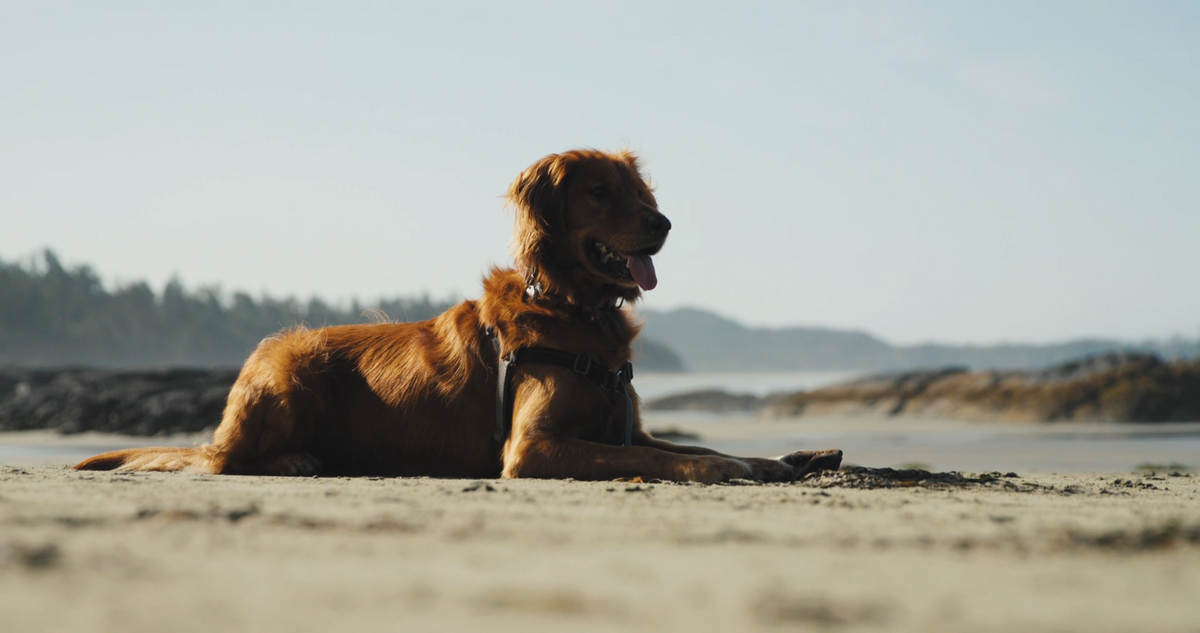
An open beach, a shaded trail, or a quiet lakeside path has a special appeal when a dog is at your side. Outdoor adventures offer new smells, movement, and the simple pleasure of experiencing the world together. They also bring unfamiliar surfaces, unpredictable weather, changing terrain, and distractions that do not exist in the living room.
The secret to a wonderful outing is not carrying the most equipment. It is preparing for the conditions your dog will actually encounter—and understanding where technology helps and where personal judgment still matters most.
Choose the destination for your dog, not only for the view
Before setting out, consider your dog's age, fitness, medical needs, comfort around other animals, and experience with new places. A relaxed neighborhood walker may find a busy dog beach overwhelming. A senior companion may appreciate a short scenic stop more than a strenuous hike.
Research leash requirements, pet access rules, trail length, shade, parking, and available water. Have a backup plan if the environment feels too crowded or conditions change. A successful adventure is one your dog can enjoy comfortably, not one that checks every destination off a list.
Prioritize restraint and identification
A comfortable, properly fitted harness and dependable leash form the foundation of most outings. Check clips and adjustment points before leaving the car. Carry current identification, and confirm that your pet's registered microchip details are accurate.
A GPS tracking collar may add useful information if your pet becomes separated from you. However, location updates depend on the device's design, signal conditions, battery level, and any required service plan. Test the device in familiar surroundings first and understand its limitations. Even the best tracking tool is not a substitute for keeping a dog safely restrained where rules or conditions require it.
Prepare for heat before it becomes a problem
Outdoor temperatures can feel very different to a dog. Warm sand, pavement, high humidity, and direct sun may all make an outing more demanding. Plan exercise for cooler periods, offer frequent access to fresh drinking water, and build in shaded rest breaks.
Watch for unusual or excessive panting, weakness, drooling, difficulty breathing, or collapse. If overheating is suspected, move the dog to a cooler area, begin appropriate cooling, and seek urgent veterinary advice. Never leave a dog alone in a parked vehicle, even for a short errand.
For dogs with short muzzles, heavy coats, underlying health concerns, or low fitness, adjust expectations conservatively.
Treat water as a separate safety environment
Not every dog is a confident swimmer, and even capable swimmers can struggle with currents, fatigue, or sudden changes in depth. Supervise closely near oceans, rivers, lakes, and pools. When boating or entering deeper water, use a well-fitted canine flotation device suited to the activity.
Bring clean water from home so your dog is not relying on saltwater or untreated natural water sources. Avoid encouraging drinking from the sea, lake, or pool. Rinse salt or chlorine from the coat after swimming and check for irritation or debris.
Pack for small problems before they grow
A compact adventure kit can include:
- A secure leash and a backup attachment option.
- Fresh water and a collapsible bowl.
- Waste bags and a small towel.
- A pet first-aid kit and any prescribed medication.
- Recent photos, identification details, and your veterinarian's contact information.
- A familiar reward or toy for calm breaks.
Keep the kit easy to reach rather than buried beneath luggage. If you are traveling by car, use an appropriate secured carrier or restraint, allow for rest stops, and avoid leaving the dog unattended in the vehicle.
Read the dog in front of you
Excitement and stress can look similar from a distance. A dog who stops taking treats, repeatedly looks for an exit, pants heavily despite mild weather, or pulls desperately away from a situation may need a break. Allow time to rest and choose a quieter route when necessary.
Do not push through discomfort simply to finish a planned distance or capture a photograph. The best outings are responsive rather than rigid.
Adventure should end with a comfortable return
Once home, provide drinking water and time to settle. Check paws, ears, skin, and equipment for irritation or damage. Clean and dry collars and harnesses if needed, recharge any tracking devices, and replenish the travel kit before the next trip.
Outdoor experiences have a way of becoming treasured memories. With suitable equipment, realistic expectations, and a safety-first mindset, those memories can be filled with curiosity and calm rather than unnecessary risk. A horizon feels even better when the companion beside you is comfortable enough to enjoy it.